
Celebrating 235 Years of James Fenimore Cooper: The Father of American Romanticism
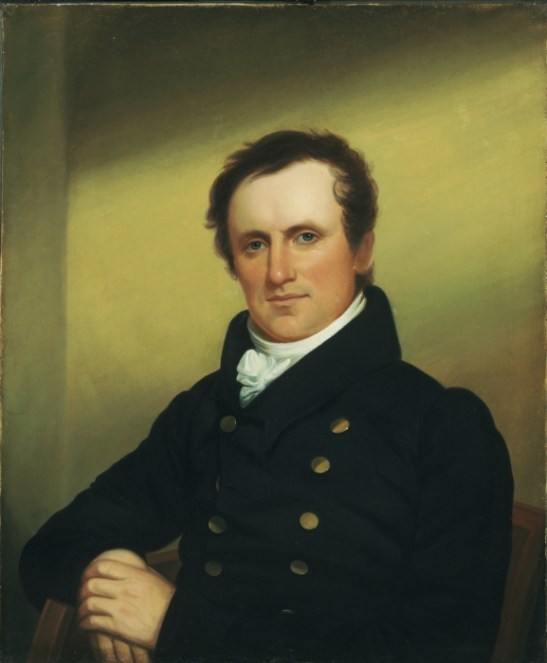
Today marks the 235th anniversary of the birth of James Fenimore Cooper, one of the earliest and most influential voices in American literature. Born on September 15, 1824, Cooper is widely celebrated as the father of American Romanticism, a literary movement that emphasized individualism, nature, and the American frontier. His works, especially The Leatherstocking Tales and The Last of the Mohicans, shaped the nation’s literary identity and continue to resonate with readers today.
Pioneering the American Frontier in Literature
Cooper’s writing is synonymous with the untamed American wilderness, which he portrayed vividly and with a sense of grandeur. In an era when the young United States was still discovering its identity, Cooper’s novels offered readers a unique perspective on the frontier, a space that embodied both the promise and peril of the new world. His landscapes were more than mere settings; they were characters in their own right, mirroring the moral and physical challenges faced by his human protagonists.
His most famous work, The Last of the Mohicans (1826), remains a cornerstone of American literature. Set during the French and Indian War, it tells the story of Hawkeye (Natty Bumppo), a frontiersman, and his interactions with Native Americans, British colonists, and French forces. The novel captures the beauty and danger of the American wilderness while also exploring themes of cultural conflict, loyalty, and honor.

Natty Bumppo, Cooper’s recurring hero in The Leatherstocking Tales, became the archetype for the rugged, self-reliant frontiersman—a figure that would later influence characters in American literature, film, and even comic books. In Natty Bumppo, Cooper distilled the essence of the American hero: a man who embodies both civilization and the wild, who respects nature while grappling with its harshness. The character’s enduring popularity speaks to Cooper’s ability to tap into the American psyche and the growing fascination with the frontier mythos.
The Birth of a National Literature
While Europe had long been home to celebrated literary traditions, Cooper’s work helped establish a uniquely American voice in literature. Before his novels, much of the country’s literary output was derivative of European styles and themes. Cooper, however, sought to create stories that were distinctly American—tales that reflected the country’s landscapes, its conflicts, and its spirit of exploration.
He was also one of the first American authors to gain international recognition, bringing global attention to the literary potential of the United States. Writers like Herman Melville, Nathaniel Hawthorne, and later Mark Twain would build upon Cooper’s legacy, further defining what it meant to write “American” fiction.
Complex Views on Native American Representation
While Cooper is often lauded for his depiction of the American frontier, his portrayal of Native Americans has sparked much debate. His representation of Indigenous peoples, particularly in The Last of the Mohicans, is a mix of romanticization and stereotyping. Characters like Chingachgook and Uncas are noble and heroic, but they are often painted as tragic, doomed figures, reflecting a Eurocentric view of Native American cultures.
This duality—both a reverence for Indigenous peoples and a tendency to marginalize them—reflects the tensions of Cooper’s time and underscores the complex legacy of his work. While Cooper’s novels offered one of the earliest literary depictions of Native Americans, modern readers must approach them with a critical eye, recognizing both their significance and their shortcomings.
A Lasting Legacy
Two hundred years after his birth, James Fenimore Cooper remains a towering figure in American literature. His exploration of the frontier, his creation of iconic American characters, and his establishment of a national literary tradition are contributions that continue to shape the literary landscape today. As we reflect on his legacy, we celebrate not only his influence on the past but also his enduring relevance in contemporary discussions about identity, culture, and the American experience. Cooper’s stories remind us of the power of literature to capture the essence of a nation, its land, and its people.


 The Projector
You must be logged in to post a comment.