
Jan of Kolno: The Forgotten Polish Explorer Who Sailed the Coast of Labrador and the Delaware River
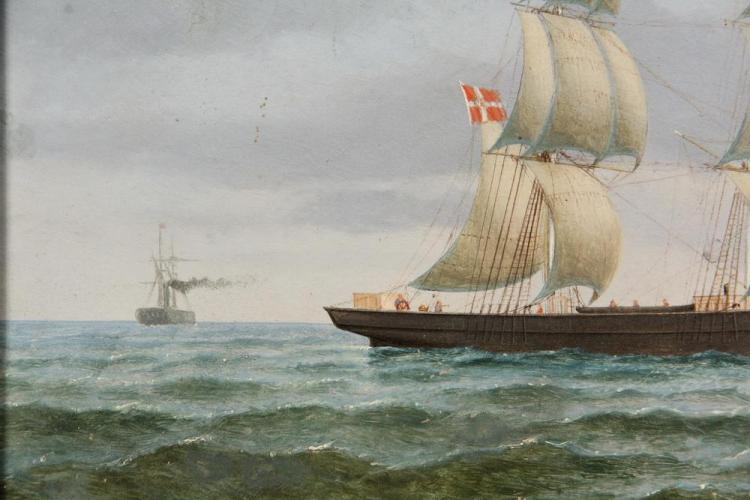
When we think of early European exploration of North America, names like Christopher Columbus, John Cabot, and Leif Erikson often come to mind. Yet, one of the lesser-known explorers who made a remarkable contribution to early voyages across the Atlantic was Jan of Kolno, also referred to in Latin as Johannes Scolnus or Scolvus. A Polish navigator and pilot, Jan of Kolno is believed to have sailed under the flag of Christian I of Denmark, charting the coasts of Labrador and the Delaware River long before many of the famous voyages of exploration.
Like other figures in this series, John Scolvus’ history is not well documented, and some historians in the nineteenth and early twentieth centuries–such as Bolesław Olszewicz and Laurence M. Larson (see, “Did John Scolvus Visit Labrador and New-Foundland in or about 1476?”) have debated his Polish origins. However, in his article “Scolvus’ Discovery of Labrador,” historian Jacek K. Furdyna has provided enough evidence on this debate to include John Scolvus in this series and list the navigator as one of the first documented Poles in the New World. For consistency, I’ll refer to him as John Scolvus for this piece.
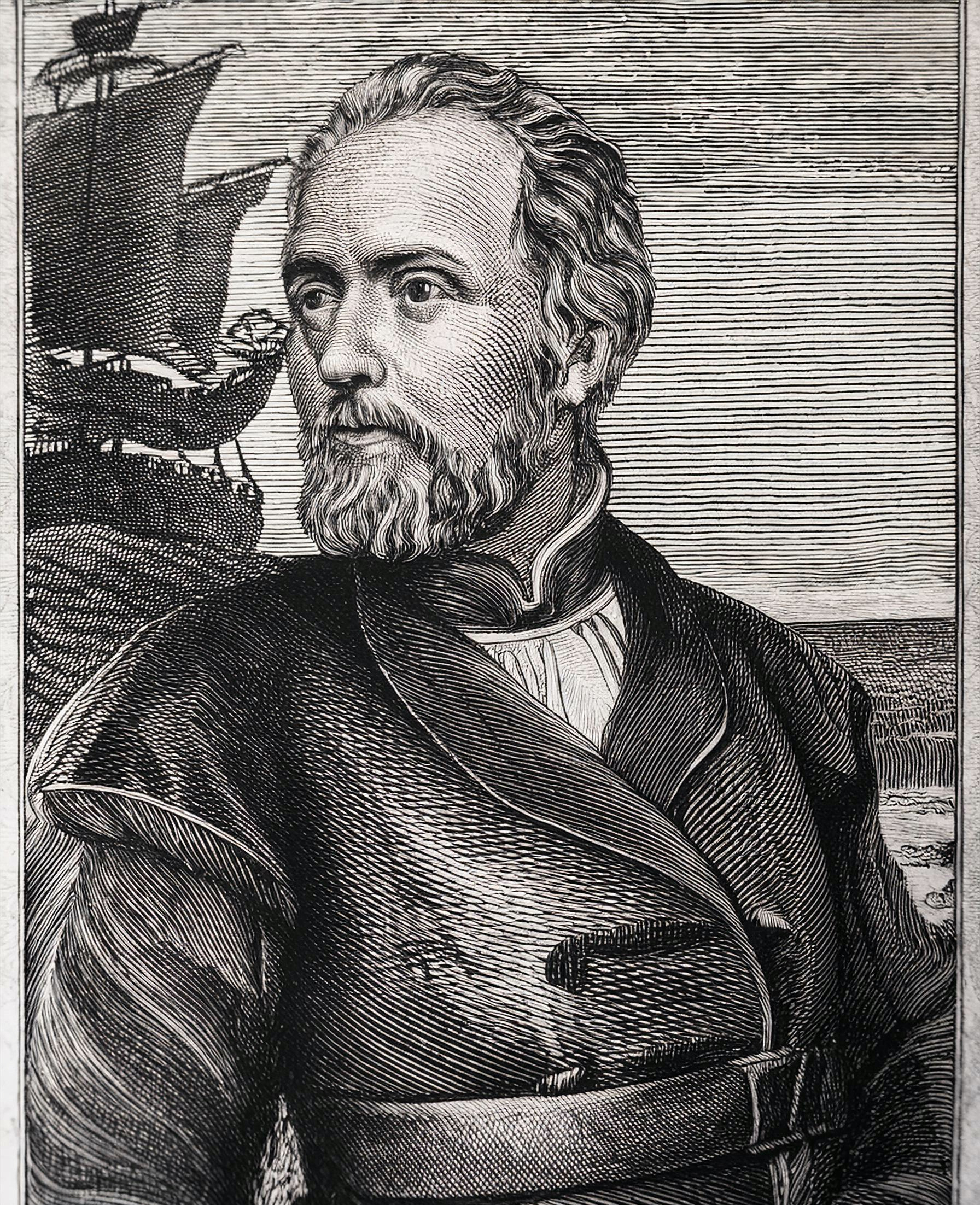
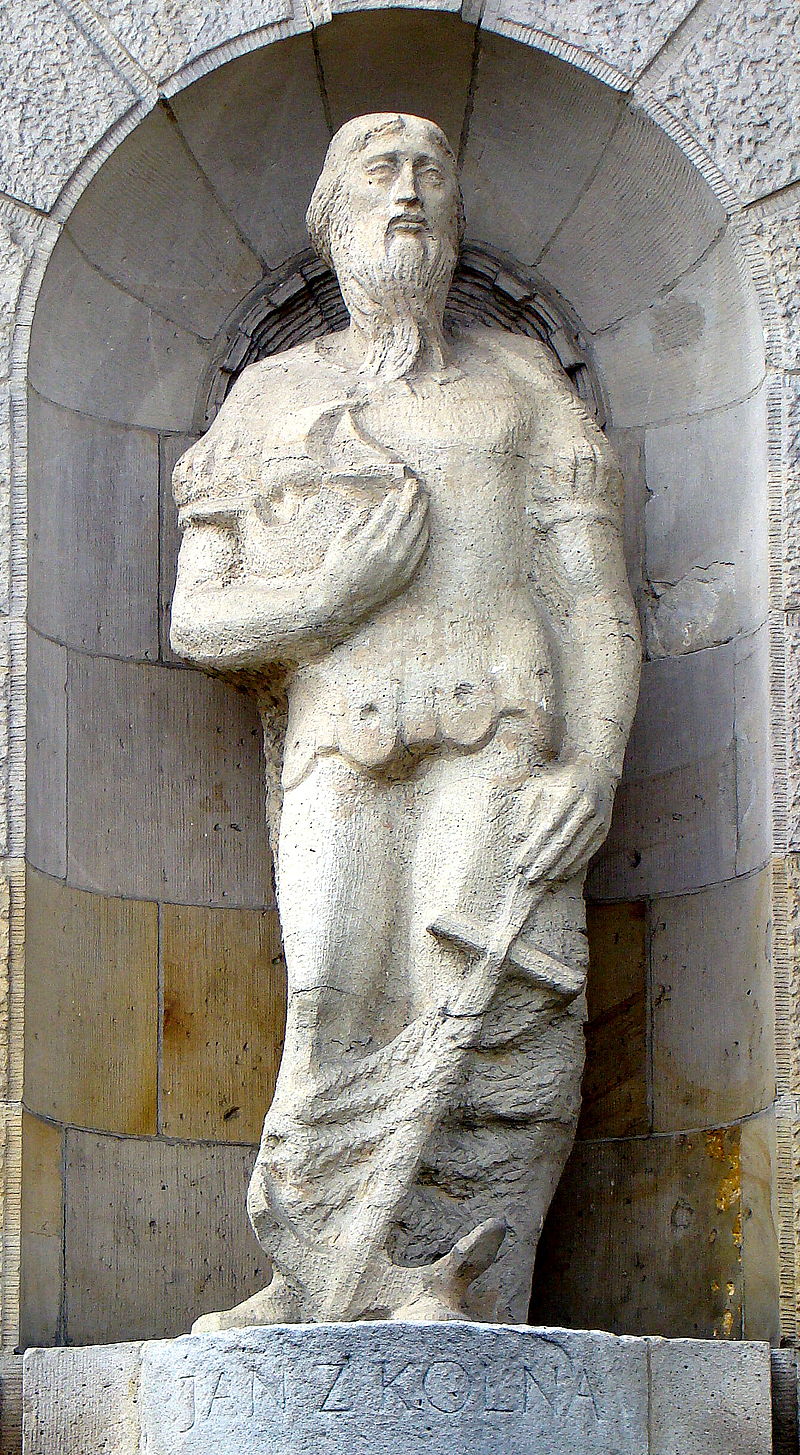
Artistic Rendering of Jan from Kolno.
The Life and Origins of John Scolvus
John Scolvus remains a somewhat enigmatic figure in history due to the scarcity of detailed records about his life. He is believed to have been born in Kolno, a small town in the northeastern part of Poland, in the 15th century. Poland, though landlocked in many regions, was home to a thriving maritime culture along the Baltic coast, and Scolvus presumably grew up in a world where seafaring and trade played essential roles in daily life.
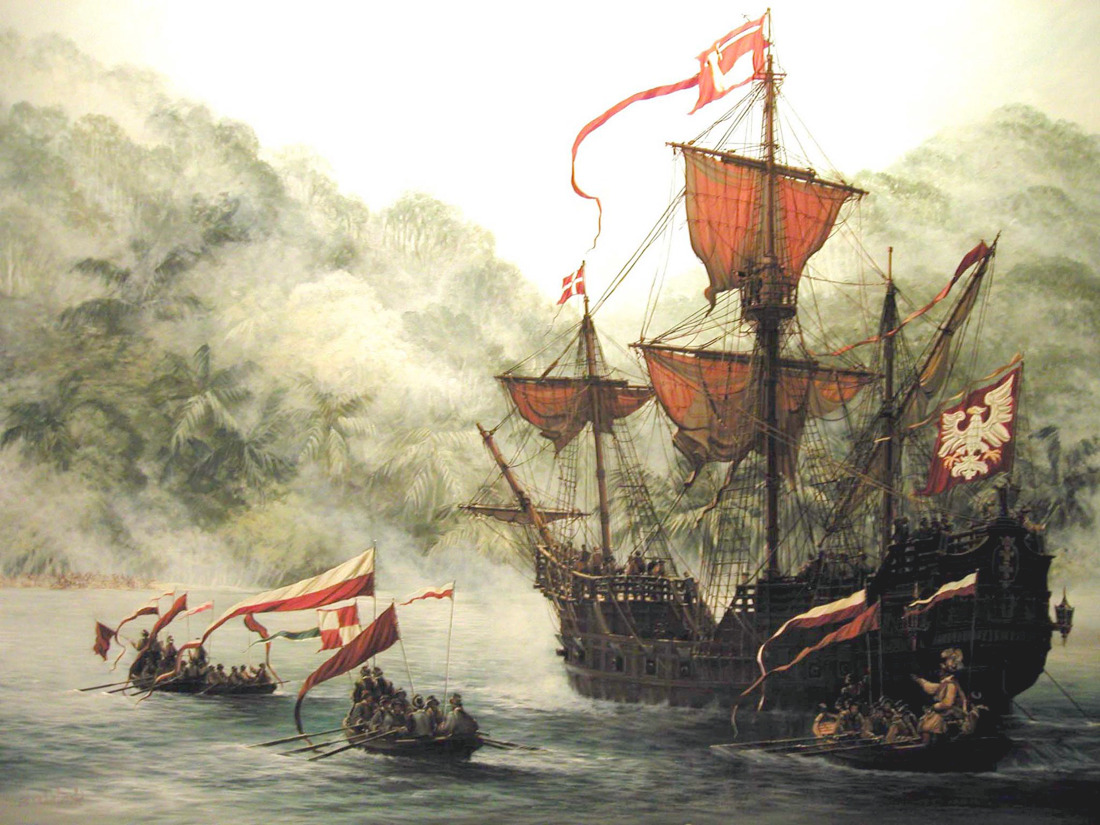
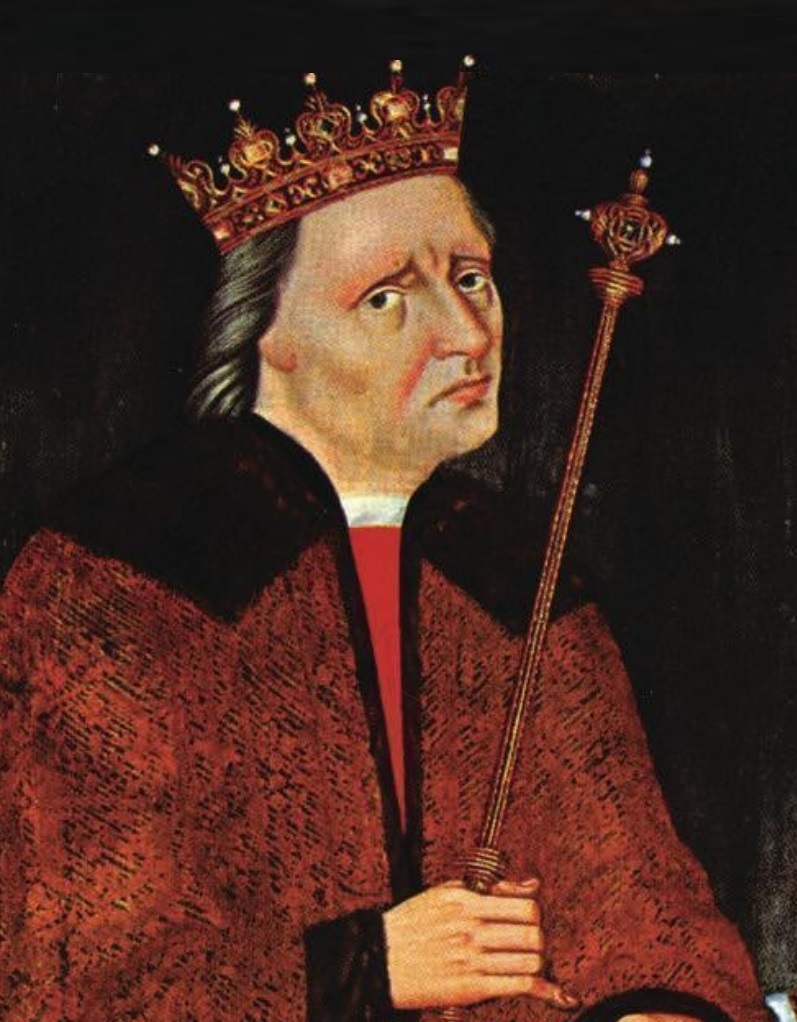
As a skilled navigator, his abilities would have been highly prized in an era of exploration. During the 15th century, European monarchs were in fierce competition to discover new trade routes and claim new territories. Denmark, under the reign of King Christian I, was eager to expand its influence and participate in the growing age of exploration. It was during this time that Scolvus was employed by Christian I to pilot a Danish fleet across the Atlantic.
Voyage Under Christian I of Denmark
In the mid-1470s, Scolvus is believed to have led a fleet on behalf of King Christian I of Denmark, sailing westward across the Atlantic Ocean. Historical accounts suggest that the fleet’s objective was to explore and potentially claim new territories for Denmark. While Columbus’ famous voyage would not occur until 1492, Scolvus’ journey might have preceded it by nearly two decades, making him one of the earliest Europeans to explore parts of North America.
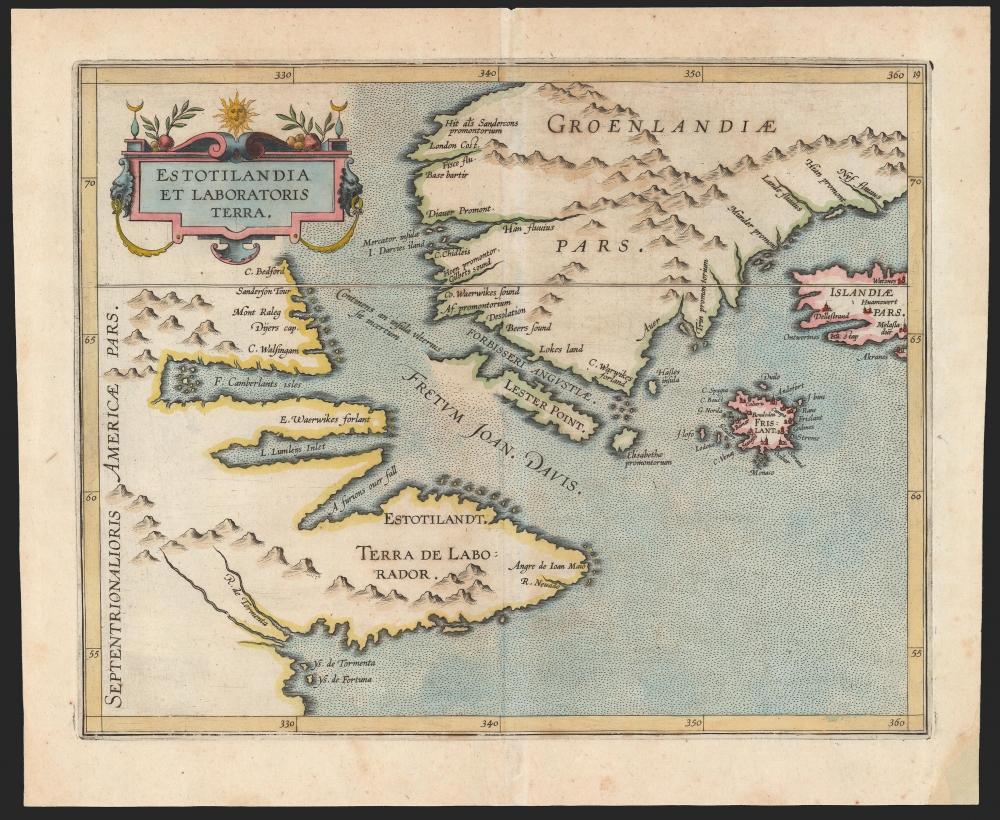
Scolvus’ role as the pilot of the fleet was critical, as he would have been responsible for navigation, charting courses, and ensuring the safe passage of the ships. According to some accounts, he successfully reached the coast of Labrador, a region that is now part of modern-day Canada. Labrador, with its harsh and rugged terrain, would have presented significant challenges to any explorer, but Scolvus and his crew are thought to have successfully mapped parts of this northern coastline, making their mark on the history of exploration. Interestingly, his name, “Jac. Scolvus Croetland” appears on Michael Lok‘s 1582 map of North America.

Michael Lok’s map of North America as described by Juan de Fuca from History of Washington: The Rise and Progress of an American State, Volume 3, 1909, pages 54–55. Caption reads “Dedicated by Michael Lok, a merchant of London, to ‘that illustrious man, Lord Philip Sidney,’ in 1582.”
Exploring the Delaware River
While Labrador was one of the northernmost points of Scolvus’ voyage, historical sources also suggest that he ventured further south along the eastern seaboard of North America. One of the most intriguing parts of his journey is his exploration of the Delaware River, an area that would later become an important site for early European settlers in North America. The Delaware River, which flows through modern-day Pennsylvania, New Jersey, and Delaware, was a significant waterway for indigenous peoples long before European explorers arrived. Scolvus’ voyage along this river represents one of the earliest European incursions into this part of North America.
While little concrete evidence exists regarding his interactions with the native populations along the Delaware River, his crew would likely have encountered various indigenous groups during their journey. The river was a lifeline for trade, transportation, and sustenance for the Lenape people, who inhabited the region. However, like many early European explorers, Scolvus’ primary focus would have been on charting the landscape and identifying opportunities for European expansion and colonization.
A Forgotten Legacy
Despite the significance of Jan of Kolno’s voyage, his legacy remains largely forgotten in the annals of history. Again, one of the reasons for this is the limited documentation of his journey. While some medieval and early modern sources refer to Jan of Kolno (or Johannes Scolnus) as a skilled navigator who sailed under Christian I of Denmark, few surviving records detail the specifics of his voyage. (And, to be fair, the extant records paint a limited picture with few clues to lead to additional biographical information.) As a result, Jan of Kolno’s achievements have often been overshadowed by later explorers like Columbus, Cabot, and Vespucci, whose expeditions were better documented and more widely publicized.
Another factor contributing to Scolvus’ obscurity is the geopolitical context of the time. Unlike Spain and Portugal, which had strong naval traditions and powerful monarchies eager to sponsor explorers, Denmark and Poland were not as heavily involved in the age of exploration. Christian I’s reign in Denmark was marked by political challenges and rivalries within Scandinavia, which may have limited the resources and attention that could have been devoted to commemorating Scolvus’ achievements.
The Impact of Jan of Kolno’s Exploration
While the details of Scolvus’ life and voyages may remain uncertain, there is little doubt that his role as an early European explorer of North America was significant. His exploration of the coast of Labrador and the Delaware River, if fully verified, would place him among the first Europeans to make contact with these regions, predating many of the more famous explorers of the 16th century.
Moreover, Scolvus’ story highlights the often overlooked contributions of Polish and other Eastern European figures to the age of exploration. While much of the focus has traditionally been on Western European nations like Spain, Portugal, and England, explorers from a wide range of backgrounds played crucial roles in the discovery and mapping of the New World.
John Scolvus, the Polish navigator who sailed under the banner of Christian I of Denmark, represents a fascinating and underappreciated chapter in the history of exploration. His voyages along the coast of Labrador and the Delaware River may have been some of the earliest European encounters with North America, predating many of the expeditions that followed. Although his legacy has been largely forgotten, efforts to rediscover and acknowledge his contributions are essential to understanding the full scope of early European exploration in the New World. In remembering John Scolvus, we honor the diversity and complexity of the explorers who shaped our world.
For Further Reading
Bukowczyk, John J., ed. Polish Americans and Their History: Community, Culture, and Politics. University of Pittsburgh Press, 1996.
Friedel, Mieczyslaw W. This Polish Blood in America’s Veins: Sketches from the Life of Polish Immigrants and Their Descendants in America, Illustrating a Part of American History Unknown to Most Americans. Vantage Press, 1978.
Furdyna, Jacek K. “Scolvus’ Discovery of Labrador.” Polish American Studies, vol. 9, no. 3/4, 1952, pp. 65–77.
Harisse, Henry. The Discovery of North America. Henry Stevens and Son, 1892.
Larson, Laurence M. “Did John Scolvus Visit Labrador and Newfoundland in or About 1476?” Scandinavian Studies and Notes, vol. 7, no. 3, 1922, pp. 81-89.
Øverland, Orm. Immigrant Minds, American Identities: Making the United States Home, 1870-1930. University of Illinois Press, 2000.
Parker, Alpheus S. The Labrador Coast. N.D.C. Hodges, 1891.
Uminski, Sigmund H. Poland Discovers America. Polish Publication Society of America, 1972.
Yarmolinsky, Avrahm. Early Polish Americana. New York Public Library, 1937.
– – -. A Pre-Columbian Discoverer of America: Was John Scolvus a Pole? New York Public Library, 1932.

 The Projector

You must be logged in to post a comment.