
Polish Immigration in Early Eighteenth-century British Colonial America
The early eighteenth century marked a significant period of immigration to British Colonial America, with various European groups seeking new opportunities and religious freedom. Among these immigrants were a small number of Poles who ventured to British colonial America, laying the foundations for future Polish communities. They were largely motivated by a combination of economic hardship, political instability, and a quest for religious liberty.
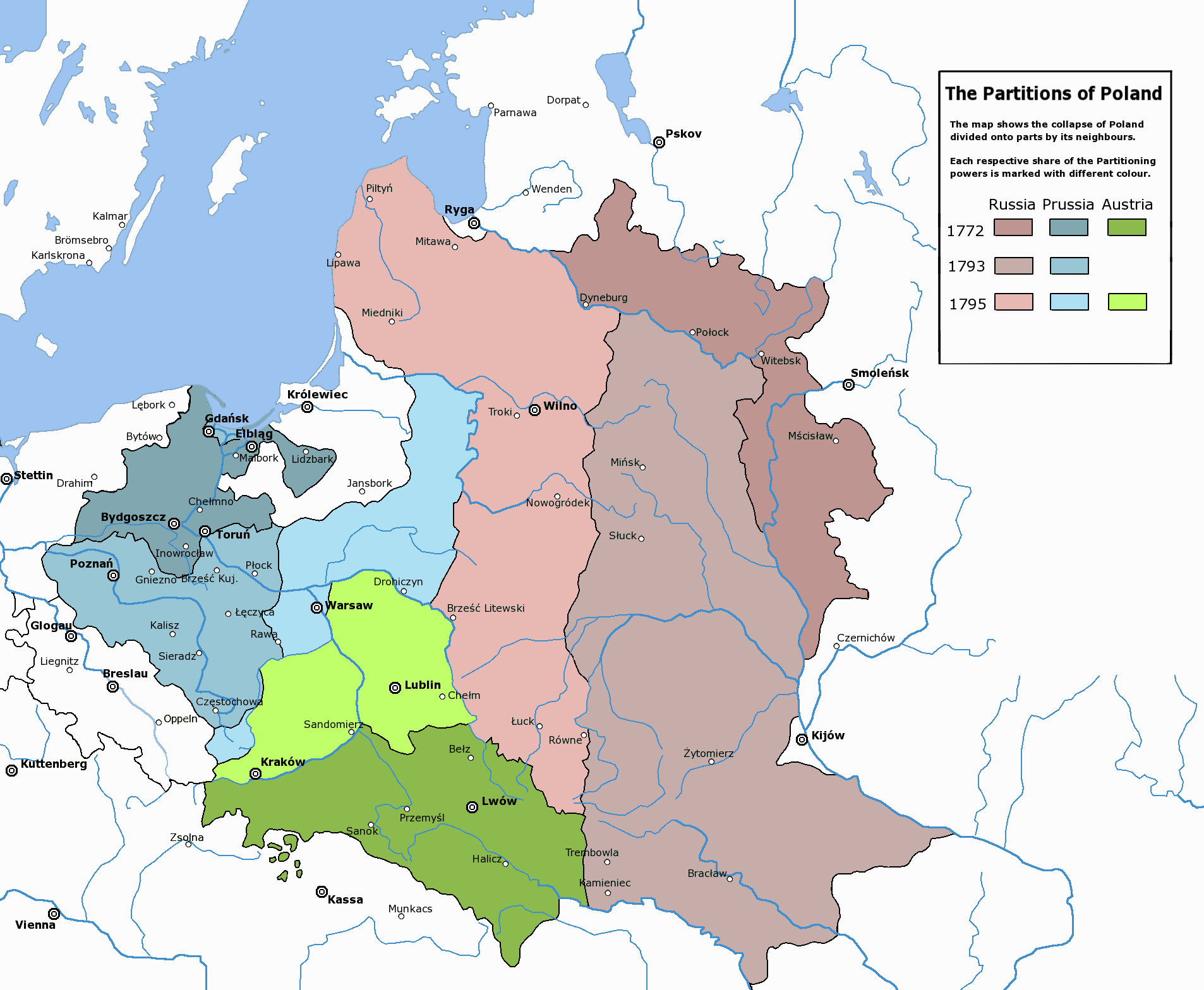
Polish migration to British colonial America in the 18th century was largely influenced by the political landscape of Poland. The early 1700s were a tumultuous time for Poland, characterized by political fragmentation, foreign intervention, and social upheaval. The Polish-Lithuanian Commonwealth, once a powerful entity in Europe, was in decline due to external pressures from neighboring states like Russia, Prussia, and Austria. The effects of the Great Northern War (1700-1721), the War of the Polish Succession (1733-1738), and subsequent partitions of Poland further exacerbated the country’s instability, leading to widespread poverty and a weakened economy. Additionally, the rise of Protestantism in Europe created a religious divide that marginalized many Catholics and non-conformists, prompting them to seek refuge elsewhere.

Among the religious minorities were the Moravians, a Protestant sect with roots in the Czech Republic. They faced persecution for their beliefs and sought to create communities where they could practice their faith freely. This desire for religious autonomy, combined with economic hardship, led many Polish Moravians to consider migration to America.
While the Polish presence in America during this period was minimal compared to later waves of immigration, certain areas became focal points for early Polish settlers. Philadelphia (and its surrounding townships) emerged as a significant hub, attracting a diverse group of immigrants, including Poles. The city’s bustling economy and reputation for religious tolerance offered an appealing environment for those fleeing the challenges of their homeland.
Many Polish immigrants traveled as part of larger groups, often joining existing Moravian communities that had already settled in America. The Moravian Church provided support and organization for these immigrants, helping them navigate the challenges of their new environment. They typically traveled on ships from European ports to Philadelphia, enduring long and arduous journeys across the Atlantic. Upon arrival, they were welcomed into a society that was increasingly receptive to different cultures and religious practices.
Settlement and Community
In cities like Philadelphia, Catholic and Jewish Polish immigrants typically settled in neighborhoods alongside other European groups, including Germans and Irish. The city’s existing infrastructure and community networks facilitated the adaptation of these newcomers. Many Poles found work in various trades and crafts, contributing to the burgeoning economy. Despite their relatively small numbers, Polish immigrants formed tight-knit communities that preserved their cultural identity. They maintained traditions, language, and religious practices, often congregating in local churches that served as community centers. The Catholic Church, in particular, played a vital role in providing social support and fostering a sense of belonging among Polish immigrants.
The Polish Moravians primarily settled in areas like Bethlehem and Nazareth, Pennsylvania. The Moravian Church played a crucial role in their settlement, providing spiritual guidance and promoting communal living. Polish Moravians emphasized education, music, and social welfare, contributing to the cultural richness of their new homeland.

The settlers faced numerous challenges, including language barriers, unfamiliar agricultural practices, and the need to integrate into the colonial economy. However, their strong communal ties and shared religious beliefs helped them build resilient communities. They engaged in farming, craftsmanship, and trade, gradually becoming productive members of colonial society.
Contributions and Legacy
The early Polish communities in British colonial America, although not large, made significant contributions to the cultural tapestry of the colonies. They introduced elements of Polish culture, including food, music, and traditions, which enriched the local communities, and collaborated to create institutions that promoted education, healthcare, and social services, laying the groundwork for future developments in these areas. Their emphasis on education and community welfare helped establish a tradition of social responsibility that resonated with other immigrant groups. They collaborated to create institutions that promoted education, healthcare, and social services, laying the groundwork for future developments in these areas. In addition to their cultural contributions, Polish settlers played a role in the economic development of Pennsylvania. They engaged in agriculture, cultivating crops and livestock that supported local economies and became skilled craftsmen, contributing to the region’s burgeoning trade networks. Their diverse skills enriched the colonial economy, fostering cooperation among different ethnic and religious groups.
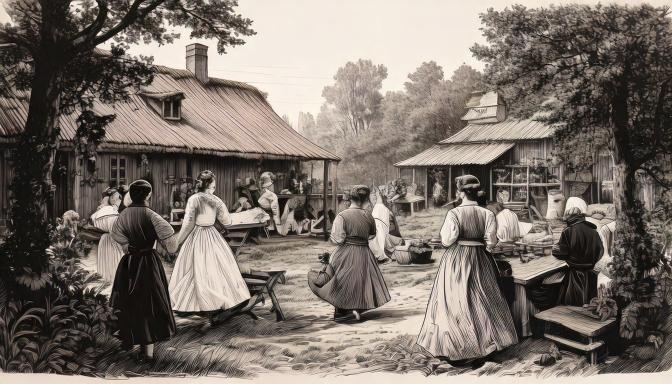
The story of Polish immigration in the early eighteenth century is one of resilience, community, and cultural contribution. Faced with the challenges of political instability and religious persecution in their homeland, Polish Catholics, Jews, and Moravians sought a new life in British Colonial America. Their settlement in Pennsylvania not only allowed them to practice their faith freely but also enabled them to enrich the cultural and economic fabric of the colonies. The foundations laid by these early Polish immigrants would pave the way for subsequent waves of Polish migration in the 19th and early 20th centuries, as more Poles sought refuge from political turmoil and economic hardship. Their legacy can still be seen today in the continued appreciation for cultural pluralism and the ongoing contributions of immigrant groups to the American landscape. The journey of Polish immigrants serves as a testament to the enduring quest for freedom and the transformative power of community in the face of adversity.
While this serves as the last post of this series for Polish American Heritage Month, I hope this also works as a little transition for a second half of the series in the months to come. I’d like to see if I can keep going on this topic, weaving in the American Revolution and early Republic and perhaps the most famous Poles of the period: Thaddeus Kosciuszko and Casimir Pulaski.

 The Projector
You must be logged in to post a comment.