
When we hear “Jingle Bells,” our minds immediately jump to Christmas—the twinkling lights, the festive cheer, and the familiar jingling sound that fills the air. It’s a song that has become synonymous with the holiday season, played on repeat during Christmas parties, in stores, and on holiday playlists. But did you know that this iconic tune wasn’t originally written for Christmas at all? In fact, “Jingle Bells” was first composed for Thanksgiving, and its original title was “One Horse Open Sleigh.” So how did this catchy winter tune evolve into one of the most beloved Christmas carols? Let’s explore the surprising history behind “Jingle Bells” and how it became a holiday classic.
“Jingle Bells” was written by James Lord Pierpont, an American composer, organist, and musician. Born in 1822, Pierpont had a varied career, and his works spanned many musical genres. He was known for writing both serious and lighthearted music, and his compositions often captured the spirit of American life in the 19th century.
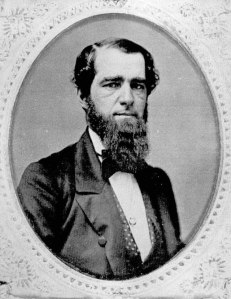
Pierpont was born in Medford, Massachusetts, and his musical background was influenced by his father, a preacher, who encouraged him to pursue music. Over the years, Pierpont worked in a variety of roles, including as an organist in Savannah, Georgia, and as a conductor for a theater in the same city. In addition to “Jingle Bells,” he composed several other popular songs, but it is his winter-themed tune that has truly endured.
In 1857, Pierpont wrote what would eventually become “Jingle Bells,” but it wasn’t intended as a Christmas song. The original title of the song was “One Horse Open Sleigh.” The song was meant to capture the joy and excitement of winter sleigh rides, which were a popular pastime in the northern United States during the colder months. Imagine the thrill of dashing through the snow, the sound of bells ringing as the sleigh glided across the icy roads, and the feeling of freedom and exhilaration.
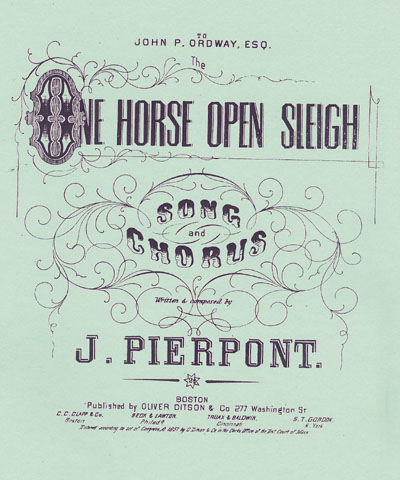
The song’s lyrics reflect this sense of fun and adventure. The opening line, “Dashing through the snow, on a one-horse open sleigh,” evokes the image of a fast-paced, snowy journey through winter landscapes. In fact, “One Horse Open Sleigh” was more about the spirit of winter and the simple pleasure of sleigh riding rather than any specific holiday. It was a lively, upbeat song that captured the joy of the season, similar to how we might sing about snow or winter activities today.
“One Horse Open Sleigh” was first performed in Savannah, Georgia, where Pierpont was working at the time. The song was intended to be performed at a Thanksgiving celebration, not Christmas. It was meant to celebrate the winter season and the fun of sleigh riding, which was especially popular in New England and other northern areas during the colder months.
At the time, Thanksgiving had not yet been officially recognized as a national holiday in the United States, but it was already widely celebrated. The idea of a festive song to accompany a Thanksgiving gathering made perfect sense—after all, winter was approaching, and sleigh rides were a common winter activity that many people enjoyed. The association with Thanksgiving, however, was short-lived, as the song quickly gained popularity beyond the holiday itself.
Over time, “One Horse Open Sleigh” became more closely associated with Christmas than Thanksgiving. The transition to a Christmas song occurred gradually, largely because of the song’s wintery themes—snow, sleighs, and bells—and its festive, upbeat mood. As the song gained popularity, it began to be sung more frequently around Christmas, especially as Christmas celebrations became more commercialized in the late 19th and early 20th centuries.
In 1859, just a few years after its initial release, the song was republished under its new title, “Jingle Bells.” The reason for the title change is unclear, but it’s likely that the word “jingle” was used to evoke the sound of the bells that were commonly attached to horse-drawn sleighs. The imagery of “jingling bells” was too enticing to ignore, and it fit perfectly with the festive nature of the song.
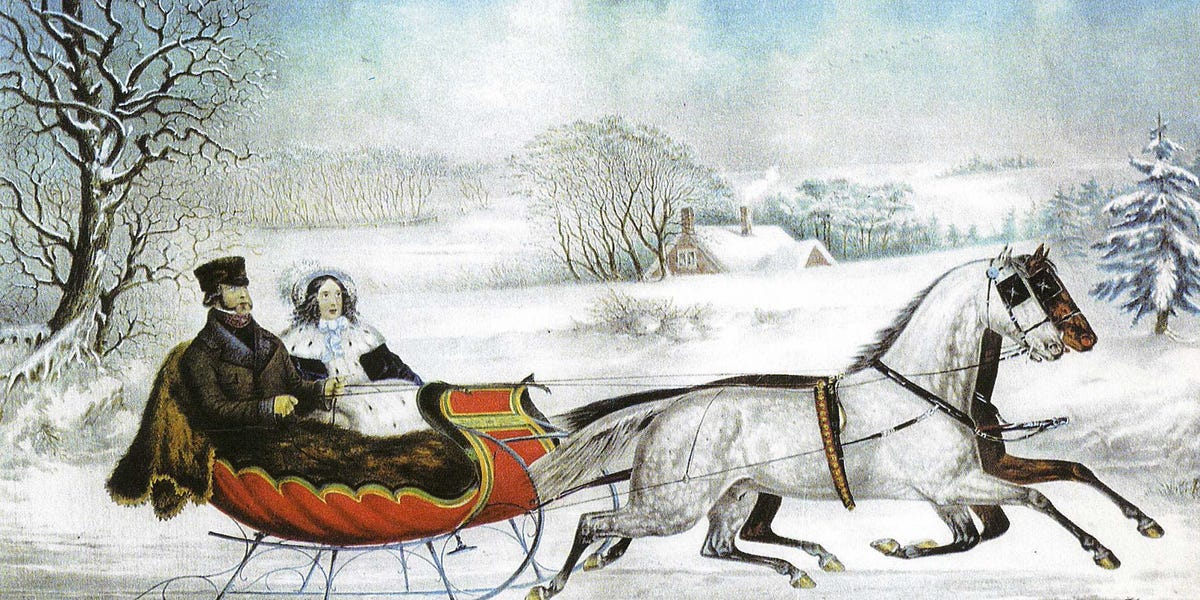
As the song continued to spread in popularity, it became a staple of Christmas music, especially after its inclusion in various holiday concerts, performances, and sheet music collections. By the early 20th century, “Jingle Bells” was firmly entrenched in the Christmas tradition, and it has remained a favorite ever since.
The tune has evolved into one of the most iconic Christmas songs of all time, though its festive roots are often forgotten. James Lord Pierpont’s lively melody, meant to capture the joy of winter sleigh rides, perfectly embodies the carefree spirit of the season. Today, the song not only represents Christmas but has become a symbol of winter itself, sung at holiday parties, featured in movies, and evoking feelings of warmth, celebration, and togetherness. With its catchy tune and joyful tone, “Jingle Bells” remains timeless, continuing to bring joy and nostalgia to millions every December as we “jingle all the way” into the holiday season. I can’t imagine the Christmas season without it!

 The Projector
You must be logged in to post a comment.