
The History of Maryland Day: A Celebration of Heritage and Legacy
Maryland Day, celebrated annually on March 25, commemorates the arrival of European settlers in the Province of Maryland in 1634. It is a day dedicated to reflecting on the state’s historical roots, the enduring spirit of its people, and the ideals of tolerance and community that shaped its identity.

The story of Maryland Day begins with the voyage of two ships, The Ark and The Dove, which set sail from England in 1633. Led by Leonard Calvert, the younger brother of Lord Baltimore (Cecilius Calvert), the settlers sought religious freedom and new opportunities. On March 25, 1634, they landed on St. Clement’s Island in the Potomac River, marking the beginning of the Maryland colony.
Lord Baltimore envisioned Maryland as a refuge for English Catholics who faced persecution in Anglican England. While the colony was established as a haven for religious freedom, the settlers also established governance and trade, laying the groundwork for a prosperous and inclusive society.
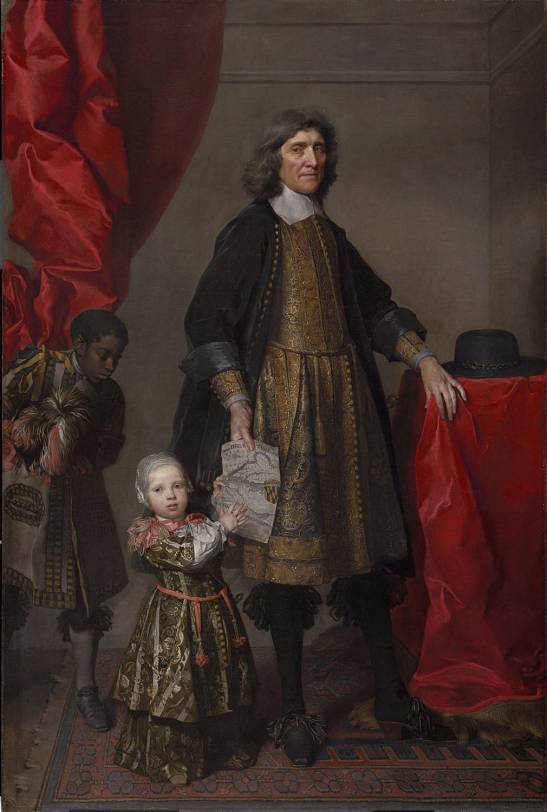
Portrait of Cecil Calvert, 2nd Lord Baltimore (1670).
March 25 was chosen to commemorate the settlers’ landing, but it also holds religious importance. The day coincides with the Feast of the Annunciation, a Christian celebration marking the angel Gabriel’s visit to the Virgin Mary. For the Catholic settlers, this alignment emphasized the spiritual significance of their journey and settlement.
Though the historic landing occurred in 1634, Maryland Day didn’t become an official holiday until 1916. Since then, it has grown into a broader celebration involving historical reenactments, educational programs, and community events. From Annapolis to small towns across the state, Marylanders gather to honor their heritage.



Maryland’s establishment set a precedent for religious tolerance in the New World. The Maryland Toleration Act of 1649 was one of the first laws to guarantee religious freedom for Christians, laying a foundation for the broader principles of religious liberty enshrined in the U.S. Constitution. Beyond religious contributions, Maryland played a pivotal role in American history. It was a key battleground during the Revolutionary War and the War of 1812. Fort McHenry, located in Baltimore, famously withstood British bombardment, inspiring Francis Scott Key to write “The Star-Spangled Banner.”
Today, Maryland Day is marked with a variety of events that bring communities together. Historic sites, museums, and educational institutions offer special programs that showcase Maryland’s cultural legacy. Baltimore and Annapolis each host vibrant celebrations featuring tours of historic landmarks, reenactments, and local festivities.
In addition, the University of Maryland holds an annual Maryland Day open house, welcoming thousands of visitors to explore academic programs, participate in interactive demonstrations, and engage with the university community. This year’s celebration is scheduled for Saturday, April 26.


Maryland Day is a celebration of the state’s enduring spirit and its commitment to the values of tolerance, resilience, and community. As Marylanders gather each year on March 25, they honor the legacy of those who embarked on a perilous journey in search of freedom and opportunity. It serves as a reminder of the state’s rich past and a call to continue building a future rooted in unity and respect.
Whether through visiting historic sites, attending local events, or simply reflecting on the stories that shaped the state, Maryland Day offers an opportunity to connect with history and celebrate the vibrant culture that defines Maryland today.

 The Projector
You must be logged in to post a comment.