
A Dog in the Fog of War: George Washington, General Howe, and an Unlikely Tale of Kindness
During the American Revolutionary War, amidst the turmoil of battle and the clashing ambitions of empires, a small event unfolded that revealed the character of one of history’s most revered figures: George Washington. This event, involving a lost dog belonging to British General William Howe, underscores Washington’s humanity and the surprising role that animals have played in shaping historical narratives.
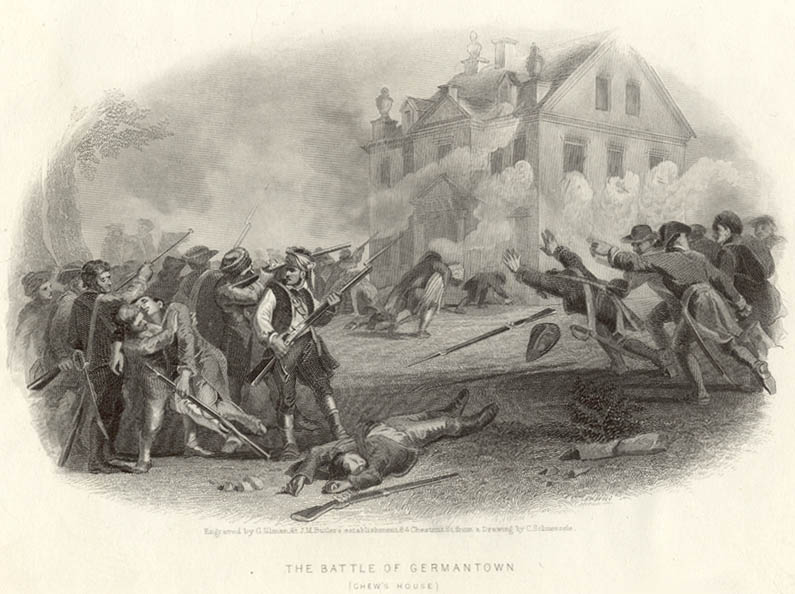
The year was 1777, and the war for American independence was raging. General Howe had successfully captured Philadelphia, dealing a blow to the American cause. Determined to reclaim momentum, Washington launched an ambitious assault on British forces stationed in Germantown. The battle, fought in heavy fog, ended in American defeat. Washington’s forces suffered significant losses: 150 dead, 500 wounded, and 400 captured.
Yet, in the aftermath of this grim engagement, a small dog (a little fox terrier named Lila) trotted into the American camp, its collar inscribed with Howe’s name.
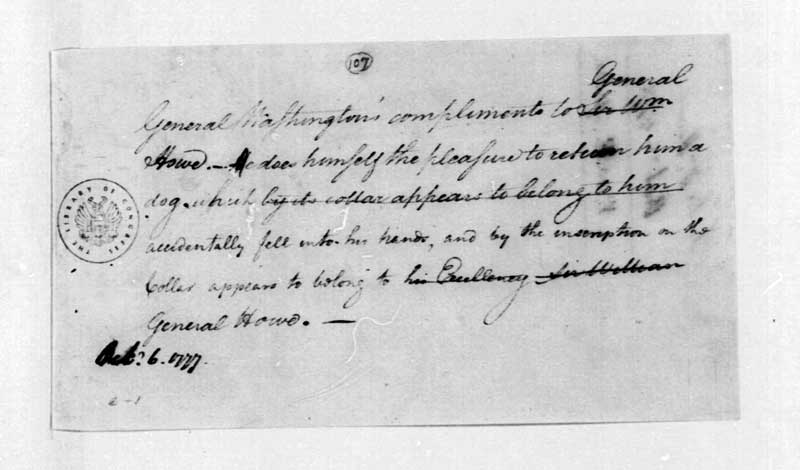
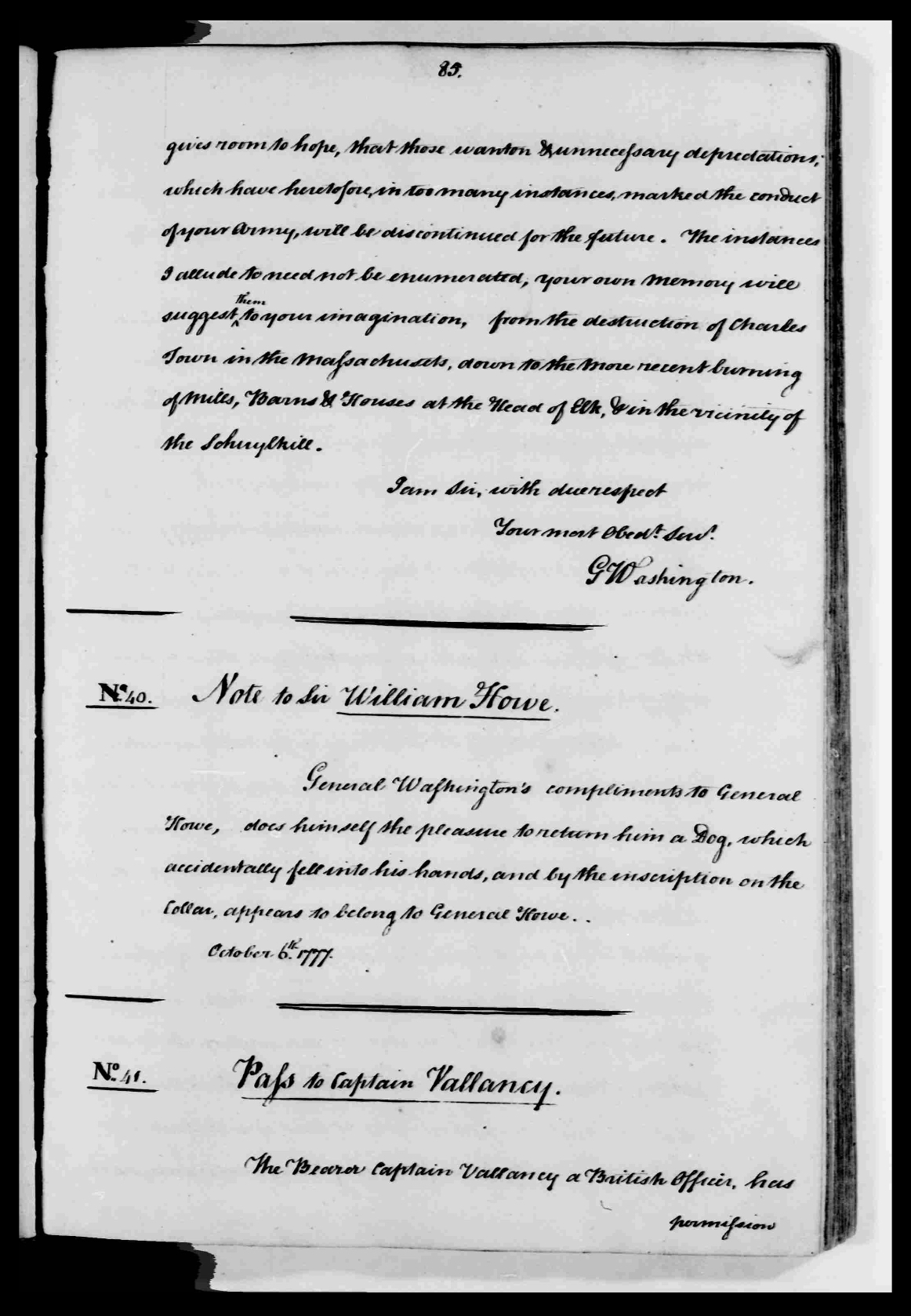
Washington’s soldiers, weary and demoralized, saw an opportunity for a symbolic victory. They proposed keeping the dog as a form of retaliation for their recent losses. But Washington, ever conscious of the importance of dignity and honor, saw things differently. He ordered the dog to be returned to Howe, along with a short, respectful note:
General Washington’s compliments to General Howe, does himself the pleasure to return [to] him a Dog, which accidentally fell into his hands, and by the inscription on the Collar appears to belong to General Howe.
This gesture of kindness and civility in the middle of war highlights Washington’s deep respect for codes of conduct, even toward his enemies. The note, penned by Alexander Hamilton, remains preserved in the Library of Congress, offering a tangible link to this act of compassion.
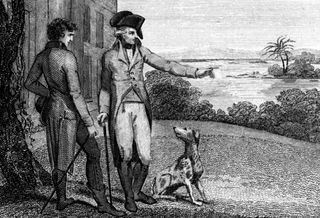
Washington’s love of dogs was well-documented. Known as the father of the American foxhound, he owned over 50 dogs during his lifetime, including breeds sent to him by the Marquis de Lafayette. Names like Sweet Lips, Scentwell, and Vulcan graced his staghounds, while his Black and Tan Coonhounds bore the more humorous names of Drunkard, Taster, Tippler, and Tipsy. He meticulously bred these dogs, shaping the lineage of American hunting breeds.
The incident with Howe’s dog echoes themes found in literature, where animals often serve as vessels of loyalty and empathy. Richard Adams’ Traveller tells the Civil War story through the eyes of Robert E. Lee’s horse, offering a unique perspective on the complexities of human conflict. Similarly, Roland Smith’s The Captain’s Dog: My Journey with the Lewis and Clark Tribe recounts the Lewis and Clark expedition from the perspective of their faithful canine companion, Seaman, illustrating the bond between humans and animals during times of hardship.
These literary works reflect the same sentiment present in the story of Howe’s dog: that animals, with their unwavering loyalty and innocence, can inspire acts of kindness even in the most brutal of circumstances. The narrative has even found echoes in popular culture. In Mel Gibson’s film The Patriot, the character of Benjamin Martin is portrayed as a complex figure who, like Washington, grapples with the brutality of war while striving to maintain his humanity. The film dramatizes the moral dilemmas faced by revolutionary soldiers, much like Washington’s decision to return Howe’s dog instead of using it as a pawn of war.
Caroline Tiger’s General Howe’s Dog delves into the life and career of the British general, providing a more nuanced understanding of his leadership and the decisions that shaped the war’s trajectory. The incident with his lost dog adds an intimate layer to his portrayal, reminding readers that historical figures, often depicted as monolithic symbols of power, were also individuals capable of personal bonds and vulnerabilities.
The story of General Howe’s dog, though a small footnote in the vast annals of war, endures as a testament to Washington’s character. In a time when conflict often reduced opponents to mere enemies, Washington’s decision to return the dog signaled a belief in decency that transcended the battlefield. It’s a reminder that even in the darkest of times, kindness and respect can shine through, carried on the paws of a small dog lost in the fog of war.
Ultimately, this moment of compassion resonates beyond its historical context. It reminds us that even in the most divided times, empathy and respect for one another can create ripples of goodwill. Whether through historical accounts, literature, or cinema, stories like this continue to inspire, bridging the gap between past and present, and illustrating the enduring power of simple acts of humanity.
For Further Reading:
- Adams, Richard. Traveller (1988)
- Smith, Roland. The Captain’s Dog: My Journey with the Lewis and Clark Tribe (1999)
- Tiger, Caroline. General Howe’s Dog (2005)
- The Presidential Pet Museum Archives
- Library of Congress, Washington Papers
- Mount Vernon Historical Records
- The Patriot (2000), directed by Roland Emmerich



 The Projector
You must be logged in to post a comment.